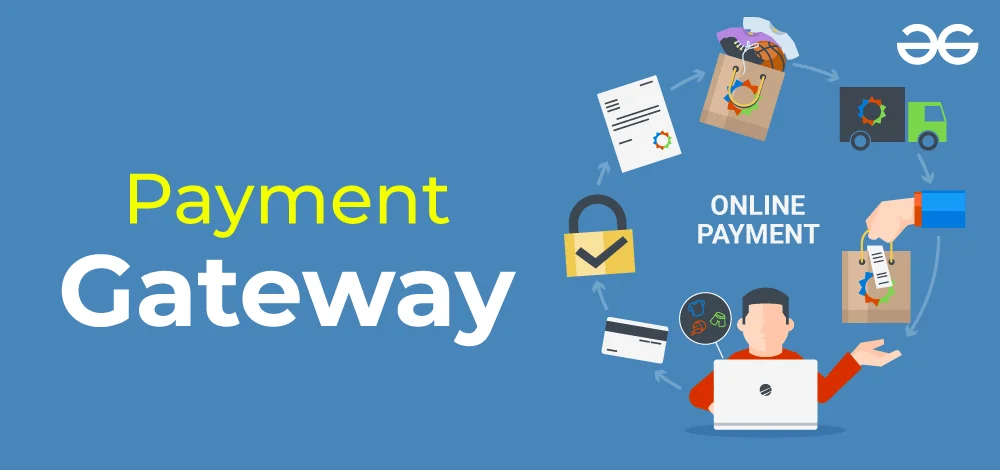
Every time you enter your phone number on a website and hit Pay, a lot happens behind the scenes in just a few seconds. What feels like a simple button click is actually a fast-paced hand-off between the app, mobile networks like Safaricom and even bank systems.
Unlike Western countries where people mostly pay with credit cards, mobile money completely changed how we shop online. Instead of reading a card number, systems send a prompt directly to your phone asking for your PIN. Understanding how these payment systems started, why they break down sometimes and where they are going next is the key to seeing how money moves online today.
Section 1: How It Came to Be (History & Evolution)
Before online payments were simple, buying something on the internet was frustrating.
- The Early Days: In the early internet era, accepting payments online required setting up direct merchant accounts with banks. It took weeks of paperwork and the technology was heavy and hard to set up.
- The Developer Revolution: Companies started building gateways middleman software that connected websites to banks through simple code. Suddenly, developers could add a payment button to a website in an afternoon instead of months.
- The Mobile Money Explosion: In places like Kenya, credit cards were never the main way people paid for things. The rise of M-PESA changed everything. Instead of copying Western card systems, gateways adapted to mobile money. They introduced features like the STK push (the pop-up screen on your phone that prompts for your M-PESA PIN) and instant payment notifications sent directly to business servers.

Section 2: Strengths and Weaknesses
While mobile money gateways have transformed online business, they come with clear advantages and disadvantages.
The Strengths
- Seamless Connection: Developers don't need to build connections to every individual bank or mobile operator. A single payment gateway provides standard tools that allow a site to accept payments in hours.
- Secure Transactions: Sensitive data is not stored. The merchant's website never stores your PIN or private account details. The gateway handles the security checks, keeping data safe from any site breaches.
- Instant Access: Anyone with a mobile phone and a registered SIM card can make purchases online instantly no credit checks, bank accounts or card applications required.
- Automated Record Keeping: No more manual receipts. Gateways process transactions digitally and log every deposit or transfer automatically, replacing manual bank transfers and paper receipts.

The Weaknesses
- Network Drops : Sudden communication glitches between the phone company and the website can cause payments to fail mid-way. Money gets deducted from the customer's phone, but the system doesn’t receive the confirmation, leaving the order stuck as unpaid.
- System Outages: If the main mobile network or payment gateway experiences downtime, every online business relying on that system stops making sales until it comes back online.
- Risk of Double-Charging : If a customer taps Pay multiple times during a slow connection, or if the server tries to re-send a delayed request, the system can accidentally process the transaction twice if strict safeguards aren't built in.
- Higher Transaction Costs: Small business owners face fees on every transaction, which add up quickly compared to cash sales.
Section 3: The Future and The Impact of AI
The next era of payment gateways will focus on making transactions faster, safer and completely hassle-free.
Smart Fraud Prevention
Instead of blocking accounts after a problem happens, AI models analyze patterns as a user types and check out. By checking device signals and transaction habits in real time, the system can spot fake transactions and stop fraud before any money leaves a mobile wallet.
Automatic Routing
When a mobile network runs slow or experiences an outage, smart systems could automatically redirect the payment through an alternative route or backup channel. This prevents failed checkouts keeping customers safe from being double-charged and ensuring businesses don't lose sales during network hiccups.
Silent Verification
Future systems will reduce the need for constant SMS codes and manual PIN prompts. AI will analyze user behavior like typing rhythm and familiar locations to verify identity safely in the background, making payments smoother.
Payments by Smart AI Agents
As people use AI assistants to handle everyday tasks, payment gateways will allow these AI tools to make authorized purchases directly on your behalf like renewing a subscription or booking a ride without requiring you to fill out checkout forms every single time.
Section 4: How Businesses Scale with Mobile Money

Beyond basic convenience, mobile money gateways act as a growth engine for small businesses and digital entrepreneurs.
- Lower Barrier to Entry: Setting up a traditional bank merchant account used to require months of paperwork, physical site visits and substantial deposit capital. Today, a small business or freelancer can set up a gateway account online and start accepting payments the same day.
- Instant Cash Flow and Payouts: Unlike card transactions that often hold funds for days during clearing, mobile money gateways allow rapid settlement directly to a business till or paybill. This speed keeps inventory moving and keeps working capital liquid.
- Micro-Transactions and Volume Growth: Cards carry high fixed transaction fees that make selling low-cost goods like daily software subscriptions, digital media or single items unprofitable. Mobile money supports smaller amounts with low fees, opening up entirely new customer segments.
- Automated Financial Tracking: Digital gateways generate instant transaction logs and sales reports. This automatic record-keeping helps informal businesses establish a verified financial history, making it much easier to apply for credit or business loans down the road.
Conclusion
Mobile money gateways changed online shopping by replacing credit cards with phone-based payments. While challenges like network drops and system outages still exist, ongoing improvements in security and AI automation are making digital payments more reliable than ever.
Image Credits and References
- Figure 1 (Cover): GeeksforGeeks. (2025). Payment Gateway: Definition, Working & Features [Image]. GeeksforGeeks. (https://www.geeksforgeeks.org/blogs/payment-gateway/)
- Figure 2 (History and Evolution): BizClik Media / FinTech Magazine. (2026). Early M-PESA mobile money transaction [Image]. BizClik Media. (https://assets.bizclikmedia.net/1800/69edda74df33360aa90d559a991e4886:b37e16ab77a8b6d1c3e64c9dc114161e/large-article-im1442-m-pesa1-jpeg.webp)
- Figure 3 (Strengths and Benefits): DigiPay.guru. (2026). Benefits of Mobile Payments for Consumers [Image]. DigiPay.guru. (https://www.digipay.guru/static/d9760fb837eee5345329c4351adaf727/c5b3e/benefits-of-mobile-payments-for-consumers.png)
- Figure 4 (How Businesses Scale): DigiPay.guru. (2026). How Scalable Mobile Money Platforms Drive Real Growth [Image]. DigiPay.guru. (https://www.digipay.guru/static/f6a793c839a150a141df3a1df76192ab/c5b3e/how-scalable-mobile-money-platforms-drive-real-growth.png)
Comments (0)
No comments yet.